



Families shape people long before the world does. The first lessons about trust, fear, anger, comfort, silence, and survival usually begin at home, sometimes gently, sometimes painfully. Childhood experiences settle deep into a person’s thinking and behavior. They follow people into adulthood, into marriages, into parenting, into the way they react during conflict or pull away from it entirely. That is exactly why readers continue searching for the best books about family relationships, not simply for entertainment, but for recognition. People want stories that understand what family life actually feels like beneath the surface. Some books manage that honesty better than others. Sandra L. Kearse-Stockton writes with a kind of emotional clarity that does not feel manufactured or polished for effect. Her work carries the weight of lived experience. There is struggle in it, certainly, but also endurance, reflection, and a quiet refusal to let hardship have the final word. Her 480 Codorus Street series stands out because it does not romanticize difficult childhoods or flatten family trauma into easy lessons. The books examine instability, emotional pain, and survival in ways that feel personal rather than performative. Readers looking for books about family bonds often connect with her writing because it understands an uncomfortable truth many families avoid discussing: childhood experiences do not stay in childhood. Childhood Does Not End When the Years Pass People like to believe children “move on” naturally. Real life rarely works that way. A child raised around fear may grow into an adult who struggles …
Families shape people long before the world does. The first lessons about trust, fear, anger, comfort, silence, and survival usually begin at home, sometimes gently, sometimes painfully. Childhood experiences settle deep into a person’s thinking and behavior. They follow people into adulthood, into marriages, into parenting, into the way they react during conflict or pull away from it entirely. That is exactly why readers continue searching for the best books about family relationships, not simply for entertainment, but for recognition. People want stories that understand what family life actually feels like beneath the surface.
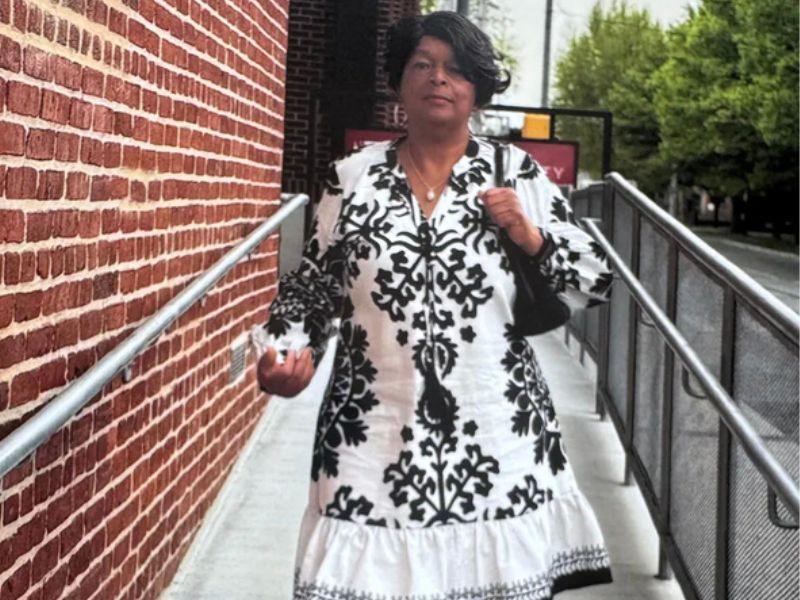
Some books manage that honesty better than others. Sandra L. Kearse-Stockton writes with a kind of emotional clarity that does not feel manufactured or polished for effect. Her work carries the weight of lived experience. There is struggle in it, certainly, but also endurance, reflection, and a quiet refusal to let hardship have the final word.
Her 480 Codorus Street series stands out because it does not romanticize difficult childhoods or flatten family trauma into easy lessons. The books examine instability, emotional pain, and survival in ways that feel personal rather than performative. Readers looking for books about family bonds often connect with her writing because it understands an uncomfortable truth many families avoid discussing: childhood experiences do not stay in childhood.
Childhood Does Not End When the Years Pass
People like to believe children “move on” naturally. Real life rarely works that way.
A child raised around fear may grow into an adult who struggles to trust calm situations. Someone raised in emotional unpredictability may spend years preparing for conflict even when none exists. Family experiences shape emotional reflexes. They influence self-worth, communication, attachment, and even the ability to feel safe around love. Good books recognize that complexity, instead of reducing family relationships to sentimental moments around dinner tables.
Sandra L. Kearse-Stockton approaches these subjects with unusual honesty. Her storytelling does not rush to clean conclusions. Instead, it allows readers to sit with emotional tension, resilience, and difficult memories in a way that feels real. Frankly, that restraint matters. Readers can tell when an author is writing from observation versus experience.
Why Readers Gravitate Toward Books About Family Bonds
The strongest books about family bonds are rarely the loudest ones. They are the stories that quietly recognize emotional truths readers already carry within themselves.
People read these books for different reasons. Some are searching for understanding. Others are trying to make sense of their own upbringing. Some want reassurance that surviving a difficult childhood does not make them permanently broken. And sometimes readers simply want honesty, something increasingly rare in storytelling built around neat endings and inspirational slogans.
Sandra L. Kearse-Stockton’s books resonate because they refuse to simplify emotional hardship. Her work explores survival without pretending resilience is graceful or easy. There is pain in these stories, but there is also persistence. That balance gives her writing credibility.
The emotional depth within the 480 Codorus Street books especially reflects how childhood environments influence identity over time. Family instability, emotional wounds, and endurance are not treated as isolated incidents. They become part of the emotional architecture of a person’s life, which, honestly, is how these experiences work in reality.
Stories That Reflect Real Family Dynamics Matter
Readers often recognize themselves inside difficult family narratives long before they admit it aloud. A scene involving silence at the dinner table, tension between parents, emotional neglect, or constant unpredictability can feel startlingly familiar. Books that explore these realities thoughtfully tend to stay with readers longer because they touch experiences people rarely discuss openly.
That is where Sandra L. Kearse-Stockton’s writing becomes especially meaningful. Her books do not treat family hardship as spectacle. They examine it with reflection, emotional intelligence, and personal insight. Even in painful moments, there is a sense of endurance running beneath the surface.
For readers searching for the best books about family relationships, emotional honesty matters more than dramatic storytelling tricks. People remember books that tell the truth.
The same applies to meaningful books about family bonds. They are not memorable because they present perfect families. They matter because they reveal how people survive imperfect ones.
Final Words
The best books about family relationships often leave readers thinking about their own lives long after the final chapter ends. They uncover how childhood experiences shape emotional patterns, family dynamics, and personal resilience in ways many people spend years trying to understand.
Sandra L. Kearse-Stockton’s work speaks directly to those realities. Through deeply personal storytelling and the emotional weight carried throughout the 480 Codorus Street series, she explores hardship, endurance, and the lasting influence of family experiences with honesty that feels earned rather than written for effect.
For readers seeking thoughtful books about family bonds, her writing offers something increasingly valuable: emotional truth without simplification.
FAQs
1. Why are the best books about family relationships emotionally impactful?
They reflect real childhood experiences, emotional struggles, healing, resilience, and the complicated realities many families quietly experience over time.
2. What makes Sandra L. Kearse-Stockton’s books unique for readers?
Her books combine personal storytelling, emotional honesty, survival, resilience, and realistic portrayals of difficult family relationships and childhood hardships.
3. Why do readers connect with books about family bonds deeply?
These stories help readers understand emotional wounds, family dynamics, personal growth, forgiveness, and the lasting effects of childhood experiences.
4. What themes appear in Sandra L. Kearse-Stockton’s 480 Codorus Street series?
The series explores survival, trauma, endurance, emotional pain, unstable childhood environments, resilience, and complicated family relationship experiences honestly.
5. How do books about family bonds encourage emotional understanding?
They reveal how childhood experiences influence trust, communication, emotional healing, family conflict, and relationships throughout adulthood and personal growth.
Sign up for free class
It’s easy and free!