
Why Reading Stories of Survival Can Help Women Reclaim Their Confidence

Books for domestic violence

After abuse, the hardest thing to rebuild is often not a home or a routine. It is the quiet belief that your own judgment can be trusted. Many women leave painful relationships carrying shame, self-doubt, and a voice in their head that never belonged to them. Talking helps, but not everyone is ready to talk. That is where stories come in. Reading about women who faced the same fear and came through it can make recovery feel possible. Books for domestic violence give survivors language for what happened and proof that healing is real. The Best relationship books for men can also help partners, sons, and brothers understand what support actually looks like. This post explores how survival stories help women reclaim their confidence. Why Confidence Breaks After Abuse Abuse rarely announces itself with one dramatic moment. It builds through small comments, controlled choices, and constant second-guessing. Over time, a woman learns to doubt her memory, her instincts, and her worth. Even after she leaves, that doubt follows her into work, friendships, and new relationships. Confidence is not lost because she is weak. It is worn down on purpose. Understanding that is the first step toward getting it back, and stories can help her see it clearly. What Survival Stories Offer That Advice Cannot Advice tells you what to do. A story shows you what it feels like to do it. When a survivor reads about a woman who packed a bag in secret, found her voice in a courtroom, …

After abuse, the hardest thing to rebuild is often not a home or a routine. It is the quiet belief that your own judgment can be trusted. Many women leave painful relationships carrying shame, self-doubt, and a voice in their head that never belonged to them. Talking helps, but not everyone is ready to talk. That is where stories come in. Reading about women who faced the same fear and came through it can make recovery feel possible.

Books for domestic violence give survivors language for what happened and proof that healing is real. The Best relationship books for men can also help partners, sons, and brothers understand what support actually looks like. This post explores how survival stories help women reclaim their confidence.

Why Confidence Breaks After Abuse

Abuse rarely announces itself with one dramatic moment. It builds through small comments, controlled choices, and constant second-guessing. Over time, a woman learns to doubt her memory, her instincts, and her worth. Even after she leaves, that doubt follows her into work, friendships, and new relationships. Confidence is not lost because she is weak. It is worn down on purpose. Understanding that is the first step toward getting it back, and stories can help her see it clearly.

What Survival Stories Offer That Advice Cannot

Advice tells you what to do. A story shows you what it feels like to do it. When a survivor reads about a woman who packed a bag in secret, found her voice in a courtroom, or simply made it through a hard first winter alone, the lesson lands differently. It is not a lecture. It is proof. Proof that fear can sit beside courage, and that a messy path forward still counts as forward.

Seeing Your Own Experience Named

Many survivors struggle to describe what happened to them, especially when no one hit them in an obvious way. Reading someone else’s account gives words to things you could not explain. Control, isolation, and emotional pressure suddenly have names. That moment of recognition is powerful. It tells you that you were not imagining it, and it removes some of the shame that silence tends to feed.

The Power of Seeing Yourself as the Hero

Abuse often rewrites a woman’s story so she appears to be the problem. Survival narratives flip that script. They show women as capable, resourceful, and brave, even in the middle of fear. Reading this again and again can slowly change how you describe your own life. Instead of thinking I failed, you begin to think I survived. That shift in language seems small, but it carries real weight when you are rebuilding trust in yourself.

Reading at Your Own Pace

Healing has no schedule, and a book respects that. You can read ten pages and stop. You can reread a chapter that made you feel steady. You can close the cover when it gets heavy and return next week. This control matters, because abuse takes control away. Reading in private, in your own time, gives some of it back in a gentle and safe way.

Creating a Safe Reading Space

Where you read matters. Pick a quiet corner, a library, or a device with privacy protection if safety is a concern. Keep tea nearby, or a blanket, or whatever feels calming. Some women prefer audiobooks during walks or commutes. The goal is to make reading feel like a refuge, not a task. A comfortable setting helps your mind stay open to what the story offers.

Small Shifts That Rebuild Self-Trust

Confidence does not return in one dramatic leap. It comes back in small moments. Choosing what to eat without worrying about a reaction. Saying no to something minor and surviving it. Stories often show these quiet steps, which makes them easier to copy. Many readers keep a notebook nearby and jot down a line that stood out. Over weeks, those lines become a record of growing strength.

Choosing Books That Fit Where You Are

Not every book suits every stage of recovery. Someone who left recently may want gentle memoir and comfort. Someone further along might want practical guidance on boundaries or finances. Books for domestic violence come in many forms, including personal narratives, workbooks, and fiction rooted in real experience. Read the description, sample a few pages, and trust your reaction. If a book leaves you feeling smaller, put it down. The right one leaves room to breathe.

Why Men Benefit From Reading Too

Women do not heal in isolation. The people around them shape the process, and that includes the men in their lives. Fathers, brothers, partners, and friends often want to help but do not know how. The Best relationship books for men explain respect, communication, and accountability without judgment. They help readers spot unhealthy patterns in themselves and others. When men learn what support really looks like, survivors face fewer awkward silences and more genuine understanding.

Turning Reading Into Conversation

A story can open doors that direct questions cannot. Sharing a passage with a friend, a support group, or a counselor gives you a way to say something hard without starting from scratch. Book clubs focused on healing have become a quiet source of community for many women. Hearing someone say I felt that too can lift a weight you did not realize you were carrying.

When Reading Is Not Enough

Books are a companion, not a replacement for care. If you are in danger or still living with an abusive partner, reach out to local support services, a trusted friend, or a qualified counselor. Therapy and advocacy work well alongside reading. A story can spark courage, but practical help makes the next step safer. There is no shame in using every resource available, and many survivors say a mix of both helped them most.

Conclusion

Stories of survival remind women that confidence can be rebuilt one page and one small choice at a time. With the right books and the right support, healing becomes something you can see, not just hope for.

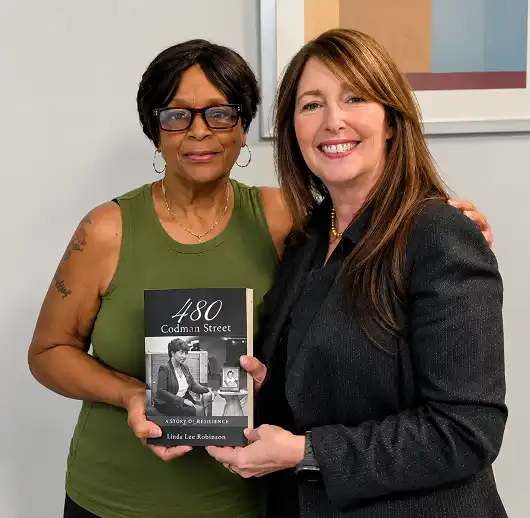
At Sandra L. Kearse-Stockton, we write with survivors in mind. Our books speak honestly about pain, recovery, and the courage it takes to begin again. Whether you are searching for Books for domestic violence or the Best relationship books for men, explore our work today and take the next step toward reclaiming your confidence.

FAQs

1. Why do survival stories help women recover confidence?

They show that others have faced similar fear and rebuilt their lives. That proof makes recovery feel realistic instead of distant.

2. Are books a substitute for therapy?

No, they work best alongside counseling and support services. A book can guide reflection, but a professional offers personal care.

3. What kinds of books for domestic violence are available?

You can find memoirs, workbooks, self-help guides, and fiction based on real experience. Choose the style that matches your stage of healing.

4. Is it normal to feel emotional while reading these stories?

Yes, strong feelings are common and often a sign the story is touching something real. Pause whenever you need to and return later.

5. How do I know which book is right for me?

Read the description, try a few pages, and notice how you feel afterward. The right book leaves you feeling steadier, not smaller.

Sign up for free class

It’s easy and free!

Related Posts

best books about family relationships
November 3, 2026
Best Books About Family Relationships That Focus on Perseverance Through Life’s Challenges

A person’s family can have a lasting effect long after childhood. The lessons learned at home, the hardships endured, and the relationships that provide comfort or cause pain can affect how someone approaches adulthood. Some memories take years to work out. Others, they find a strength they didn’t know they had. The stories that explore these realities give readers an honest look at what it means to face adversity and keep going. Sandra L. Kearse-Stockton writes of these themes in memoirs based on her experiences with family, hardship, faith, and perseverance. Her 480 Codorus Street trilogy details her passage through hard times and the grit it took to keep on. Best books on family relationships: Her writing is more than a recollection of the past for readers seeking the best books on family relationships. It’s a story of how someone can have painful experiences, but not let them define an entire lifetime. Finding Strength in Difficult Family Experiences Family relationships are complicated. People’s experiences as children may affect their later understanding of trust, conflict, and relationships. In her first book of the trilogy, 480 Codorus Street: Surviving Unpredictability, Sandra dives into these realities. Growing up in York, Pennsylvania, one of seven siblings, she endured domestic violence and emotional hardship. In her memoir, she looks back at those early years and how they impacted her life. She also tackles the difficult issue of forgiving an abusive parent. Sandra is not claiming that painful experiences are easy to get over. Instead, she …

Books on family conflict resolution
October 9, 2026
Why Sandra L. Kearse-Stockton’s Stories Resonate with Readers Exploring Family Relationships

Family stories matter because they don’t usually stay within a single generation. What happens in childhood can affect how people define trust, hardship, responsibility, and hope years later. The most moving stories are those that don’t fake the simplicity of family life. They recognize difficult experiences but leave space for strength, faith, and change. That is what makes the writing of Sandra L. Kearse-Stockton resonate with readers. Her books are based on real experiences of struggle, resilience, and success. She writes with the conviction that storytelling can heal, uplift, and transform lives, inviting readers to reflect on their own experiences as they go. She Tells Family Stories with Honesty Sandra’s writing is personal. Born in York, Pennsylvania, she grew up as one of seven siblings and later became an author, mother, foster parent, and veteran. Her life experiences give her a direct understanding of how family, adversity, and resilience can become intertwined. Her 480 Codorus Street trilogy is particularly important to that story. The memoirs chronicle her journey through trauma, resilience, and hope, giving readers a candid account of experiences that helped shape her life. The website describes the trilogy as a journey of survival and strength, and that is the heart of her work. Honesty is important for readers seeking Books about family bonds. Sandra does not portray family relationships as perfect or uncomplicated. She narrates experiences that illustrate how family, childhood, adversity, and personal strength can be so interwoven. Her Books Leave Room for Reflection A good family …

Books on family conflict resolution
October 7, 2026
When Good Intentions Create Family Conflict: Understanding What Happens Beneath the Conversation

Family conflict rarely starts with a slammed door or a raised voice. More often it starts small, with a comment made out of love, a piece of advice nobody asked for, or a concern that's been sitting in someone's chest for months before it finally comes out sideways. A mother wants to keep her daughter safe. A husband thinks he's being helpful. An older sibling brings up something from years ago because they genuinely believe it might spare everyone another hard night. None of that is malicious. And yet somehow the person on the receiving end walks away feeling small, or unheard, or like they're being managed rather than loved. That disconnect, between what we meant and what actually landed, is where most family arguments really begin. Pull back the layers of almost any blowup, and you'll usually find something quieter underneath: an old wound, an unmet expectation, a sensitivity nobody bothered to name out loud. Why Good Intentions Still Backfire There's something almost reflexive about advising people we love. We see them struggling and our brain jumps straight to fixing it. The trouble is that fixing isn't always what's being asked for. A parent starts listing out what their kid should do differently, when honestly the kid just wanted five minutes of somebody listening without an agenda. A spouse reaches for logic and explanation in a moment that called for a hug and an "I hear you." A sibling brings up a topic that used to be neutral, not …

fiction books about family dynamics
August 5, 2026
How Sandra L. Kearse-Stockton Brings Family Experiences to Life Through Storytelling That Feels Deeply Personal

Family stories stick because they touch on something universal. Most everyone has memories that started at home. Some are comforting, others difficult to revisit. These early experiences affect how people see love, conflict, loyalty, trust, and resilience. Readers rarely look for books about families simply to follow a plot. They read them to recognize something familiar, to understand something unresolved, or to see how another person found a way through hardship. That search often leads them to fiction books about family dynamics that treat these experiences with honesty rather than sentiment. Sandra L. Kearse-Stockton writes from that place of honesty. Her stories are based on childhood experiences, family relationships, endurance, and personal reflection. There is no attempt to gloss over painful moments or make life easier than it really is. Rather, she keeps hope alive even in the face of hardship, and reminds us that resilience doesn’t have to be loud. More often, it is built quietly, one day at a time. She Understands That Family Stories Are Never Simple Families are complicated by nature. Love and disappointment can exist together. Protection and pain sometimes come from the same place. Those contradictions are uncomfortable, yet they are also real. Sandra L. Kearse-Stockton never seems interested in avoiding that reality. Her 480 Codorus Street series explores family life with an honesty that feels earned rather than constructed. Childhood is presented as the beginning of an emotional journey, not a neatly contained chapter that ends once adulthood begins. The experiences within those …

Parenting and family dynamics
June 30, 2026
What to Read Before Buying a Book: Reviews, Themes, and the Details Most People Miss

The quiet decision behind every good book choice Choosing a book is rarely as casual as it looks. Most people scroll, pause, click, and hope it works out. But the books that actually stay with us usually come from a bit more attention upfront. When the subject touches Parenting and family dynamics, that choice becomes even more personal because you are not just picking a story; you are stepping into someone else’s version of relationships, tension, care, and memory. The goal is not to overthink it, just to notice what feels aligned before you commit your time. Reading reviews the way experienced readers actually do it Reviews are useful, but only if you read them like a person, not a number. Star ratings are easy to scan, but they rarely tell you why a book landed the way it did. The real value sits in the language people use when they describe their experience. When a book shows up among famous books about family, the interesting part is not whether people liked it, but what moments stayed with them, what felt real, and what felt flat. That is where you start to understand whether the book will match your own expectations or simply pass through. Themes that quietly decide whether a book works for you Every book has a theme, even the ones that pretend not to. You can usually feel it within a few pages if you are paying attention. For readers drawn to Parenting and family dynamics, themes …

best books about family relationships
May 25, 2026
Best Books About Family Relationships That Reveal the Impact of Childhood Experiences

Families shape people long before the world does. The first lessons about trust, fear, anger, comfort, silence, and survival usually begin at home, sometimes gently, sometimes painfully. Childhood experiences settle deep into a person’s thinking and behavior. They follow people into adulthood, into marriages, into parenting, into the way they react during conflict or pull away from it entirely. That is exactly why readers continue searching for the best books about family relationships,  not simply for entertainment, but for recognition. People want stories that understand what family life actually feels like beneath the surface. Some books manage that honesty better than others. Sandra L. Kearse-Stockton writes with a kind of emotional clarity that does not feel manufactured or polished for effect. Her work carries the weight of lived experience. There is struggle in it, certainly, but also endurance, reflection, and a quiet refusal to let hardship have the final word. Her 480 Codorus Street series stands out because it does not romanticize difficult childhoods or flatten family trauma into easy lessons. The books examine instability, emotional pain, and survival in ways that feel personal rather than performative. Readers looking for books about family bonds often connect with her writing because it understands an uncomfortable truth many families avoid discussing: childhood experiences do not stay in childhood. Childhood Does Not End When the Years Pass People like to believe children “move on” naturally. Real life rarely works that way. A child raised around fear may grow into an adult who struggles …

Leave a Reply

Your email address will not be published. Required fields are marked *