




Relationships shape identity. Family, childhood, romantic connections, these are the places where people learn how to give and receive love, how to set boundaries, and how to handle conflict. But when those lessons come wrapped in trauma, silence, or survival, they don’t always serve future relationships. That’s where the best psychology books on relationships come in. They don’t fix the past. But they help make sense of it. Especially for readers navigating parenting and family dynamics, or trying to understand how early patterns show up in adult life. Why Stories Like 480 Codorus Street Matter Books grounded in lived experience, especially ones that confront trauma head-on, have the power to shift perspective. Sandra L. Kearse-Stockton’s 480 Codorus Street trilogy is one such body of work. It doesn’t flinch from pain. It doesn’t sanitize hardship. It offers a real and emotionally raw journey through abandonment, perseverance, and the kind of inner strength that can only be earned. For readers dealing with emotional inheritance, generational cycles, or the impact of childhood instability, stories like this don’t just resonate, they reflect what they’ve lived through. And sometimes, that validation is what opens the door to deeper healing. Paired with strong psychology books, memoirs like 480 Codorus Street can become part of a reader’s emotional toolkit. When Parenting Is Triggering, Not Just Tiring A lot of parenting books talk about behavior management. Fewer talk about what happens when parenting brings up memories of what someone didn’t get as a child. That’s where emotionally intelligent …
Relationships shape identity. Family, childhood, romantic connections, these are the places where people learn how to give and receive love, how to set boundaries, and how to handle conflict. But when those lessons come wrapped in trauma, silence, or survival, they don’t always serve future relationships. That’s where the best psychology books on relationships come in.
They don’t fix the past. But they help make sense of it. Especially for readers navigating parenting and family dynamics, or trying to understand how early patterns show up in adult life.
Why Stories Like 480 Codorus Street Matter
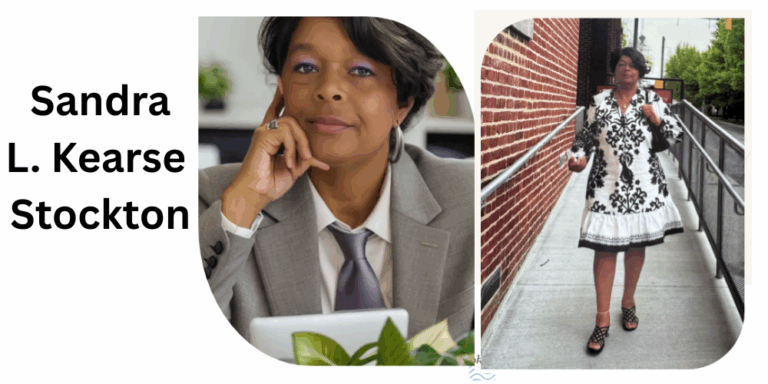
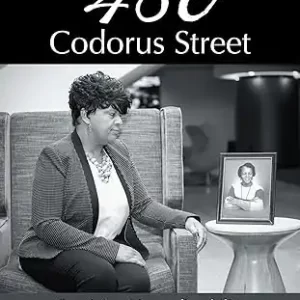
Books grounded in lived experience, especially ones that confront trauma head-on, have the power to shift perspective. Sandra L. Kearse-Stockton’s 480 Codorus Street trilogy is one such body of work. It doesn’t flinch from pain. It doesn’t sanitize hardship. It offers a real and emotionally raw journey through abandonment, perseverance, and the kind of inner strength that can only be earned.
For readers dealing with emotional inheritance, generational cycles, or the impact of childhood instability, stories like this don’t just resonate, they reflect what they’ve lived through. And sometimes, that validation is what opens the door to deeper healing.
Paired with strong psychology books, memoirs like 480 Codorus Street can become part of a reader’s emotional toolkit.
When Parenting Is Triggering, Not Just Tiring
A lot of parenting books talk about behavior management. Fewer talk about what happens when parenting brings up memories of what someone didn’t get as a child. That’s where emotionally intelligent books, written with psychological grounding, offer something different.
They help readers recognize when they’re reacting from an old wound rather than the present moment. They guide them toward self-awareness instead of shame. For anyone who grew up without stability, safety, or affirmation, learning how to give that to their own children can feel unfamiliar and overwhelming.
This is where strong resources on parenting and family dynamics become more than helpful; they become necessary. They provide structure, language, and encouragement for the kind of parenting that breaks cycles, not repeats them.
Why Psychology Books Still Matter
It’s easy to dismiss self-help or psychology books as repetitive or overly simplified. But the right ones don’t preach. They hold up a mirror. They help readers track their emotional patterns, identify core beliefs, and make more conscious choices in relationships.
The best psychology books on relationships aren’t about fixing people. They’re about showing people how to work with their own truth. They explore trust, communication, trauma responses, codependency, and emotional regulation in a way that feels grounded, not clinical.
When paired with memoirs like Sandra’s, the experience deepens. One shows how pain shaped a life. The other offers tools for what to do with that pain.
Conclusion: Healing Isn’t Linear, But it’s Possible
There’s no single book that will unravel a lifetime of hurt. But there are pages that can start the process. Whether someone is trying to parent differently, love with more clarity, or finally step out of old family patterns, the journey often begins with insight.
The best psychology books on relationships do more than inform. They create space. They hold emotion. They challenge assumptions. And when backed by stories like Sandra L. Kearse-Stockton’s 480 Codorus Street, they remind readers that resilience isn’t just a concept. It’s a choice made daily.
And every reader deserves to see that it’s possible.
Sign up for free class
It’s easy and free!